How do slot machines work?
A slot machine takes a stake for each spin and pays winnings according to the symbols selected and the game’s paytable. In an online slot, a random number generator supplies the random values used to determine the result. Winning paylines or other qualifying combinations trigger the specified prize. Wild symbols, scatters and bonus rounds follow separate published rules. Each independent spin has no memory of whether the previous spin won or lost.
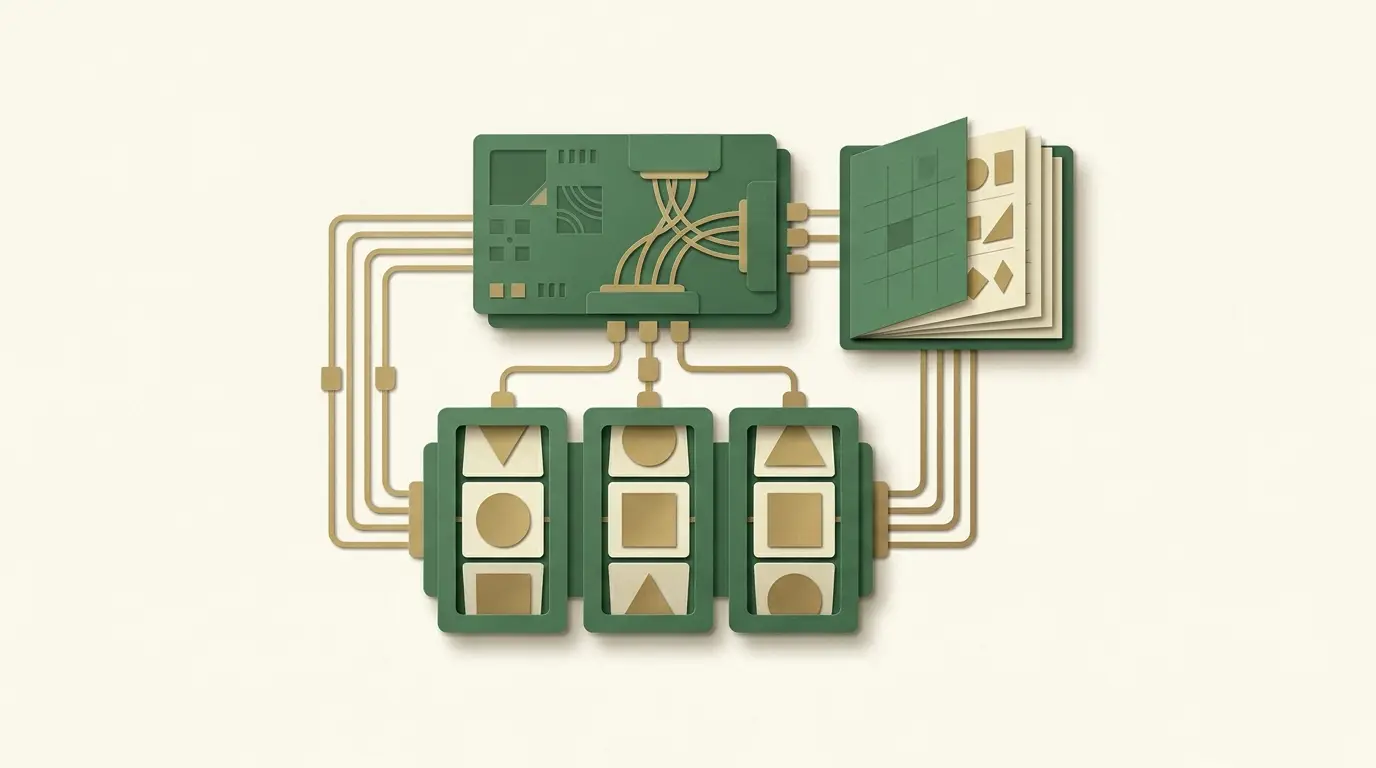
How does a slot choose a result?
An online slot chooses a result by mapping random-number inputs to outcomes under its game model. The symbol probabilities and paytable govern the calculation; visible reel symbols do not have to be equally likely.
Different symbols need not be equally likely. A screen with ten visible symbol types does not imply a one-in-ten chance of each symbol landing in a particular position.
- Great Britain’s remote technical standards require acceptably random outcomes and prohibit adaptive behaviour that changes probabilities during play.
- That is a jurisdiction-specific requirement, not proof that every website worldwide complies.
- Check the operator and exact game rather than treating the words “random” or “certified” as sufficient evidence.
Slots are one family of casino games; the rules of the exact title explain how its random inputs become prizes.
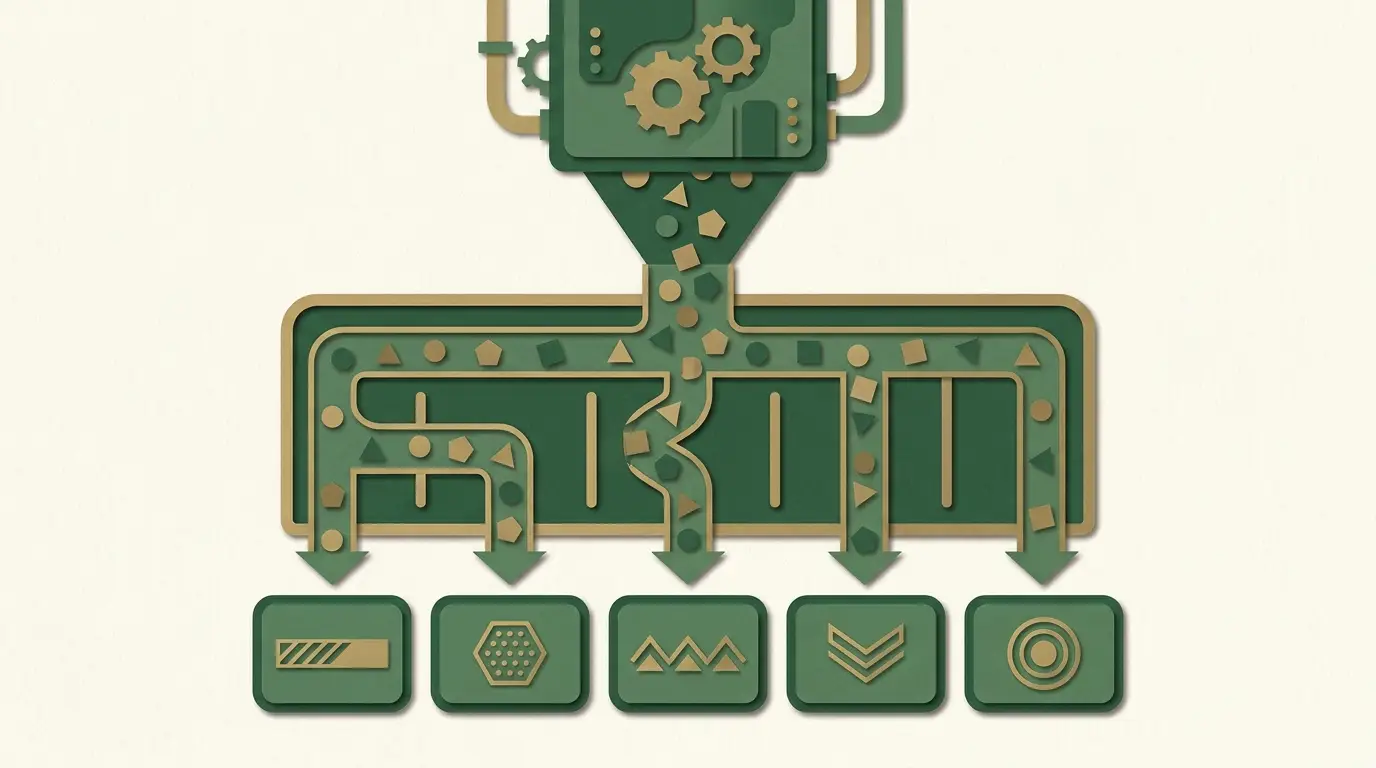
How are slot payouts calculated?
- The paytable identifies winning combinations and their values.
- Some games pay along specified lines; others use adjacent matching symbols, clusters or different arrangements.
- Read whether a quoted multiplier applies to the total stake or to a smaller line stake.
- Confusing those amounts can make a payout appear larger than it is.
Suppose an illustrative game costs £1 per spin and a particular combination pays five times the total stake. Its gross return is £5 and its net result is a £4 gain. A different outcome returning £0.40 is a £0.60 net loss, even if the screen celebrates it. Gross prizes and profit are different quantities.
What do wilds and bonus features change?
Wild symbols may substitute for other symbols. Scatter symbols may trigger an additional feature. Free spins inside a game normally follow that game’s feature rules; promotional free spins supplied by an operator can also carry separate account terms. Neither phrase automatically means withdrawable cash with no restrictions.
- A bonus-buy feature, where available, charges a stated amount to enter a feature directly.
- If that price is £80, the amount at risk is £80, regardless of the £1 base-spin setting.
- Availability and permitted features differ by market.
- Never infer that a feature is good value from its animation or maximum advertised prize.

How do RTP and volatility affect a slot?
- Return to player describes a theoretical long-run payout proportion.
- Volatility describes how widely outcomes can vary.
- Neither tells you the next result.
- Two games can have the same average return while delivering very different patterns of small returns and rare larger prizes.
For an original arithmetic example, 200 spins at £0.50 create £100 of turnover. That remains £100 of turnover if some spins are funded by earlier prizes. A £20 deposit therefore does not cap turnover at £20. Repeatedly wagering returned money increases the total exposed to the game’s mathematics.
Can a slot machine be due to pay?
An independent-outcome slot machine is not due to pay because of previous losses. Earlier ordinary spins do not create an entitlement to a later prize, and a near miss remains a losing result.
- A run of losses is not a debt the next spin must repay.
- A near miss is still a losing result under the paytable.
- On an independent-outcome game, earlier ordinary spins do not make a later winning outcome more likely.
- Features with persistent states need to be understood from their explicit rules; they are not permission to assume a general recovery mechanism.
What should you check before a slot session?
Before a slot session, check the total stake, paytable, exact-version RTP, feature prices and maximum money you can lose. Set an affordable loss limit and a time limit before opening the game.
- Locate the total stake, paytable, RTP for the specific version, feature costs and maximum exposure before committing money.
- Treat missing or confusing rules as a reason to stop.
- Decide an affordable loss limit and a time limit away from the game.
- If the activity starts to feel like a way to recover money, end the session rather than searching for a different machine.
What else should you know about slot machines?
Does stopping the reels change the slot result?
A stop button is not a general way to select a winning combination. Read what that particular control does; shortening an animation does not establish that it changes the outcome probabilities. Timing tricks are not a substitute for a game’s published rules.
Are promotional free spins the same as a slot feature?
Promotional free spins come from an operator offer; a slot feature is part of the game’s own rules. A promotion can add eligibility, wagering, expiry and withdrawal conditions beyond the spin mechanics. The word free does not make its proceeds automatically unrestricted cash.
Can a slot return less than the stake and still show a win?
A slot can return less than the stake and still celebrate a positive payout. A £2 stake returning £1.20 is a net loss of £0.80 regardless of the screen label.
A positive gross payout can still be a net loss. If a £2 spin returns £1.20, the balance falls by £0.80. Evaluate the change in money, not the animation, sound or label attached to the result.